logo
Tap to call now
Call Now(617) 207-5654

Tick Control for Boston Properties with Yards, Wooded Borders, and Family Use Areas

Dependable tick control for Boston, MA homes and landscapes, designed to help keep outdoor spaces more comfortable for people and pets in every season.

Request a free quote or call us now!

Safer Time Outside Starts with Local Tick Control Help

In neighborhoods such as Dorchester, Jamaica Plain, Brighton, and Brookline, wooded edges and thick plant growth can quickly turn into ideal tick habitat. As tree care professionals in Boston, this team understands how plant density influences tick activity, and that is why combining tick control with professional landscaping can help cut back the conditions that let ticks spread.

Across Somerville, Cambridge, Charlestown, and Medford, many properties include mature trees, dense shrubs, and layers of leaf litter that create shelter for ticks. Effective control looks beyond the grass and targets wooded borders, garden beds, and shaded corners where ticks are most active. A well-planned program addresses those hotspots so families and pets can use the yard with more peace of mind. In overgrown areas, pairing treatment schedules with expert shrub removal can further reduce hiding places around the property.
Arbor Tree Care technician applying tick control treatment on a Boston, MA propertyArbor Tree Care technician providing tick control service on a Boston, MA property

What service are you looking for?
Expert

Prefer to Talk to An Expert?

(617) 207-5654

What Local Pest Management Professionals Can Do for Your Outdoor Property

Tick control in Boston involves more than one spray application. A complete service plan usually includes these key steps for local properties.

Perimeter Barrier Treatments

Applying a barrier around the edges of the property is one of the most practical ways to limit tick movement into lawn areas. In places like Revere and Winthrop, where yards often border tall grass and coastal vegetation, perimeter treatments can make a noticeable difference during the warmer months.

Get Free Estimate

Targeted Habitat Reduction

Ticks tend to gather in leaf piles, stacked wood, dense ground cover, and other sheltered areas. Precision treatments in these locations help reduce populations where they start. Homes in Allston and Roxbury Crossing with older landscaping and deep shade often benefit from habitat-based treatment, especially when paired with reliable deer deterrent strategies that help limit one of the main ways ticks return to treated spaces.

Request Inspection

Seasonal Application Scheduling

In the Boston area, tick activity usually rises in late spring and again in early fall. Timing applications around those periods gives treatments the best chance to work when pressure is highest, instead of depending on one annual visit that may miss key activity windows.

Get Free Estimate

Follow-Up Monitoring and Retreatment

One treatment rarely lasts the full season on its own. Ongoing follow-up visits let technicians check for renewed activity, spot new problem areas, and retreat when needed. Larger properties in Watertown and Arlington with heavy canopy cover may also benefit from follow-up monitoring combined with quality tree pruning services to bring more light into shaded sections and support better results between visits.

Request Inspection


Our Tree-Service Services
in Boston, MA, Include


How Local Pros Take Care of Your Outdoor Spaces Year-Round

Tick activity changes with the seasons in Boston, so the most effective control plans adjust with it to help keep properties protected throughout the year.

Boston, MA, Tick Control for Regular Service

Spring is the best time to begin tick control in Boston. When temperatures start to climb, properties in Malden, Everett, and Chelsea often see more tick movement along lawns and planting beds. Early spring applications create a protective baseline before the busiest part of the season begins, helping lower populations before they build up.

Schedule Regular Service Tick Control

Boston, MA, Tick Control for Intensive Service

Summer usually brings the highest tick activity across Boston neighborhoods, especially where tree cover is dense and undergrowth is heavy. Properties in Chestnut Hill and Roxbury with larger wooded areas may need more frequent or heavier applications during this stretch. Pairing intensive tick control with professional insect management can address the wider pest pressure that often rises at the same time, creating a more complete layer of outdoor protection.

Schedule Intensive Service Tick Control

Boston, MA, Tick Control for Maintenance Service

Fall treatments matter just as much, even though they are often forgotten. Ticks can stay active into October and sometimes November during mild weather, while falling leaves add fresh cover across beds and lawns. A seasonal maintenance application in areas like Dorchester Center and Roxbury can help reduce populations before they survive winter and reappear the following spring.

Schedule Maintenance Service Tick Control

Boston, MA, Emergency Tick Control

Tick problems can spike without warning after a wet season, increased wildlife activity, or a pet or family member brings one home despite precautions. Emergency tick control is available for Boston-area properties that need a fast response outside the normal schedule. Technicians evaluate the situation promptly and use targeted treatments to help restore a safer outdoor environment as quickly as possible.

Schedule Emergency Tick Control
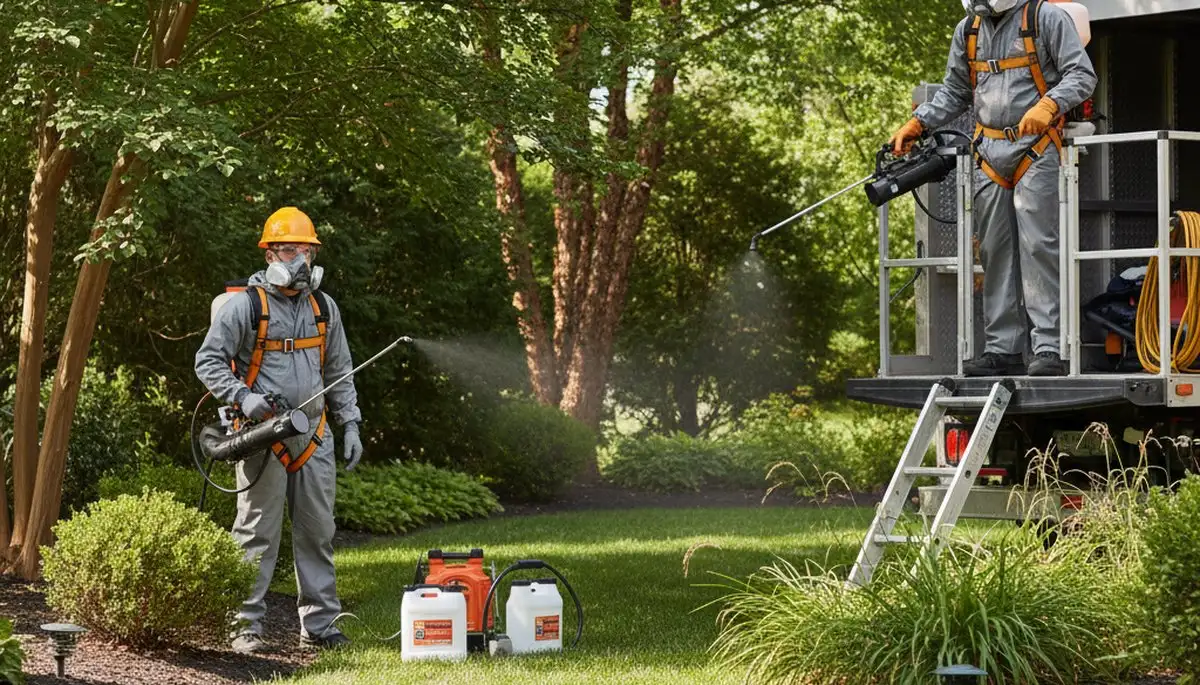
Arbor Tree Care technician providing tick control service on a Boston, MA property

Get Started on Your Tree Care Estimate

Experienced arborists are here to help.

Find dependable tree service contractors who help Boston homeowners with care and consistency.

Free estimates for your project
Checked local professionals
Quick responses from contractors

What Boston Property Owners Say About Finding Local Tree Service Help

Read real feedback from Boston property owners who used Arbor Tree Care to find reliable local tree care professionals.

Locate Tree Services in Boston, MA and Nearby Communities

From Charlestown’s historic blocks to the residential streets of Jamaica Plain and the expanding neighborhoods of Everett, Arbor Tree Care connects property owners with local tree care professionals throughout Greater Boston. No matter where your property is located, dependable help is close by.

Loading Map...

Boston, MA ZIP Codes for Tree Services

Arbor Tree Care helps homeowners and property managers throughout Greater Boston find dependable local tree care pros.

  • Back Bay, MA (02116)
  • South End, MA (02118)
  • Dorchester Center, MA (02124)
  • Jamaica Plain, MA (02130)
  • Roslindale, MA (02131)
  • West Roxbury, MA (02132)
  • Hyde Park, MA (02136)
  • Roxbury Crossing, MA (02120)
  • Mission Hill, MA (02120)
  • Mattapan, MA (02126)
  • East Boston, MA (02128)
  • Charlestown, MA (02129)
  • Brighton, MA (02135)
  • Allston, MA (02134)
  • Cambridge, MA (02139)
  • Somerville, MA (02143)
  • Brookline, MA (02446)
  • Newton Centre, MA (02459)
  • Watertown, MA (02472)
  • Waltham, MA (02451)
  • Quincy, MA (02169)
  • Milton, MA (02186)
  • Dedham, MA (02026)
  • Needham, MA (02492)
  • Wellesley, MA (02481)
  • Arlington, MA (02474)
  • Medford, MA (02155)
  • Malden, MA (02148)
  • Revere, MA (02151)
  • Chelsea, MA (02150)
What service are you looking for?
Expert

Prefer to Talk to An Expert?

(617) 207-5654

Tree Service FAQ for Boston Homeowners

If you need tree trimming, removal, pruning, or stump grinding in Boston, these answers cover the local issues that matter most, from weather and permits to property care and costs.

  • Which tree species are most common on Boston properties, and how do they change maintenance needs?

    Boston yards and streetscapes often include red oaks, Norway maples, American elms, and silver maples. Red oaks in places like Jamaica Plain and Brookline can grow broad crowns that benefit from regular structural trimming. Norway maples are often invasive and can create heavy seed litter. Silver maples around Dorchester and Allston grow quickly, but their brittle limbs should be checked often after storms.

  • How does Boston's winter weather affect tree health, and what services should be booked ahead of time?

    Winter in Boston can mean snow load, icy conditions, and repeated freeze-thaw swings that put strain on limbs and root systems. Coastal exposure in Charlestown, Winthrop, and Revere adds even more wind stress. A pre-winter pruning can remove weak branches before a storm hits, while post-winter inspections can reveal cracked limbs, root heave, and decay that developed during the cold season.

  • Can regular tree maintenance increase resale value on a Boston property?

    Yes. Healthy, well-cared-for trees can improve curb appeal and support a stronger first impression in Boston's tight housing market. Buyers in Cambridge, Brookline, and Chestnut Hill often notice the condition of the canopy right away. Trees that are overgrown or clearly declining can trigger concern during an inspection. Keeping up with trimming and removing dangerous limbs helps the property look cared for and can reduce last-minute issues during closing.

  • What should Boston homeowners check before hiring a local tree service company?

    Choose a company with liability insurance and workers' compensation coverage, which is especially important in Boston's narrow lots and close-proximity settings. Make sure they have experience in dense neighborhoods like Somerville, Medford, or Everett, where access for equipment can be limited. Ask for recent local references and confirm that debris and wood waste are removed responsibly.

  • What should a Boston property owner ask before agreeing to tree removal or trimming?

    Ask if the crew understands Boston's tree removal permit rules, since the city controls removal of trees over certain trunk sizes on private property. Find out how debris will be cleared away, whether stump grinding is included, and how nearby buildings will be protected. It is also smart to ask whether they are allowed to work near utility lines, which is often necessary in dense areas like Roxbury and Chelsea.

  • What tree care problems come up most often in different Boston neighborhoods?

    In Dorchester, mature street trees may lift sidewalks and interfere with overhead wires. Roxbury Crossing often has compacted soil that makes root health harder to maintain. Watertown and Arlington frequently deal with Norway maples spreading into neighboring yards. In Brighton, narrow rear access can make it difficult to remove large overgrown trees without a crane or aerial lift.

  • How can Boston homeowners keep tree care costs under control without cutting corners?

    The most budget-friendly approach is usually steady maintenance: prune on a two- to three-year cycle, remove dead branches before they become a hazard, grind stumps soon after removal to stop regrowth, and inspect trees each spring for early signs of disease or storm damage.

  • What maintenance habits help mature trees live longer on Boston properties?

    Apply mulch around the base to help the soil hold moisture, avoid compacting the ground near roots, prune branches that cross or rub each year, check for pest activity every season, and water during dry spells. That matters even more for trees in Malden, Medford, and inland neighborhoods that are more likely to face summer drought stress.

  • Does Boston require a permit to remove a tree on private property, and what does that process involve?

    Yes, Boston regulates the removal of private-property trees, especially those that meet certain size limits. Homeowners in places like Roxbury, Dorchester Center, and Jamaica Plain should reach out to the Boston Parks and Recreation Department before taking down a large tree. Skipping approval can lead to fines. A local tree service that understands city rules can help handle the permit process before work starts.

  • What time of year is best for trimming or pruning trees in the Boston area?

    For most tree species in Boston, late winter into early spring is the best time to prune, before new growth begins. This timing usually reduces stress on the tree and lowers the chance of pest issues. Oak trees are the main exception; they should not be pruned during warmer months because that can increase the risk of oak wilt, a concern across eastern Massachusetts.

Boston, MA tree service team trimming and removing trees for safe, professional property care

Arbor Tree Care Professional Tree Services

Arbor Tree Care offers homeowners a complete set of tree care solutions, including trimming, removal, pruning, and stump removal, all handled with careful attention to safety and the condition of your property. Based in Boston, MA and serving nearby communities, Arbor Tree Care is a trusted option for tree projects of every size.

Request a free quote or call us now!